By James Ryan
November 24, 2026
Building an inground swimming pool is a massive investment that requires careful planning, clear communication, and skilled execution from a dedicated team of professionals. Understanding the process from start to finish helps you prepare for every stage ahead and prevents unexpected surprises along the way. This comprehensive article outlines the key phases of the inground swimming pool building process, offering practical insights into important decisions, timelines, and design considerations. Knowing what lies ahead allows you to anticipate challenges, coordinate effectively with your contractor, and navigate your project smoothly. Many homeowners dream of having a private oasis right in their backyard, and achieving that dream is entirely possible when you are well-informed. With proper preparation, your new inground swimming pool will enhance your property, elevate your outdoor living space, and provide lasting enjoyment for many years to come. Adding a permanent water feature involves coordinating various trades, making aesthetic choices, and understanding local zoning laws.
Plan Your Design and Budget
Before building an inground swimming pool, you must determine its primary purpose and how your household will use it. Whether you want a lively family recreation spot with shallow play ledges, an unobstructed exercise lap pool, or a tranquil backyard centerpiece with custom spa features, your goals will heavily shape the overall layout and budget. Establishing a realistic budget early ensures your vision aligns with your financial capacity, accounting not only for initial construction but also for the long-term costs of routine maintenance, utilities, and homeowner insurance. Exploring flexible financing options can also make a larger or more customized project much more accessible. Taking time to outline your financial boundaries prevents stress and ensures that you can comfortably afford the features that matter most to your family. Setting clear financial expectations from the very beginning is a critical step in avoiding buyer's remorse. Selecting the right structural material—such as concrete, vinyl, or fiberglass—also plays a major role in your timeline, maintenance routine, and investment. Concrete offers unmatched design flexibility, custom shapes, and long-term durability, while fiberglass and vinyl provide faster installation timelines and smooth surfaces.
Prepare and Excavate the Site
Once architectural plans and permits are approved, construction officially begins with a comprehensive site survey. Professionals carefully assess your property's topography, drainage patterns, soil quality, and potential obstacles like underground utility lines, septic systems, or large tree roots. Accurate physical markers and string lines are then placed to outline the exact dimensions, depth transitions, and location of your inground swimming pool, preventing encroachment on property lines or surrounding structures. This meticulous layout process ensures everyone is on the exact same page before any earth is moved. Clear communication between you and the excavation team during this phase helps prevent misunderstandings regarding the placement and orientation of the basin. Next, heavy machinery moves in to excavate the designated area. Skilled operators work carefully to maintain precision and safety while digging out the basin to exact engineering specifications. If crews encounter unexpected underground rocks, groundwater, or dense roots, they use specialized equipment to clear and stabilize the path without derailing the schedule. Removed soil and debris are either repurposed for yard grading on-site or hauled away in accordance with local environmental guidelines, keeping your property clean, organized, and safe for the next phase.
Construct the Pool Structure
With the excavation complete, builders construct the structural framework of the pool. For concrete pools, crews install a dense steel rebar cage that serves as the skeleton and provides critical long-term structural integrity against shifting soil and water pressure. During this stage, licensed technicians also integrate essential plumbing lines for water circulation, skimmers, and main drains, alongside electrical wiring and bonding for underwater lighting, pumps, and heating systems. Placing these utilities correctly is vital for the long-term functionality of your inground swimming pool. Ensuring that all pipes and wires are securely fastened to the steel framework prevents leaks and electrical malfunctions in the future. After municipal inspections confirm the steel framework and utility lines meet strict safety codes, crews apply the concrete shell. The material is hand-sculpted smoothly around steps, benches, and sun shelves, then left to cure properly with regular watering to prevent future cracking or settling. Once cured, builders apply specialized waterproofing membranes or cementitious coatings to seal the shell, protecting your investment against leaks and excessive water loss. This curing process requires patience, but it is absolutely essential for creating a watertight, durable vessel.
Install Equipment and Finishing Touches
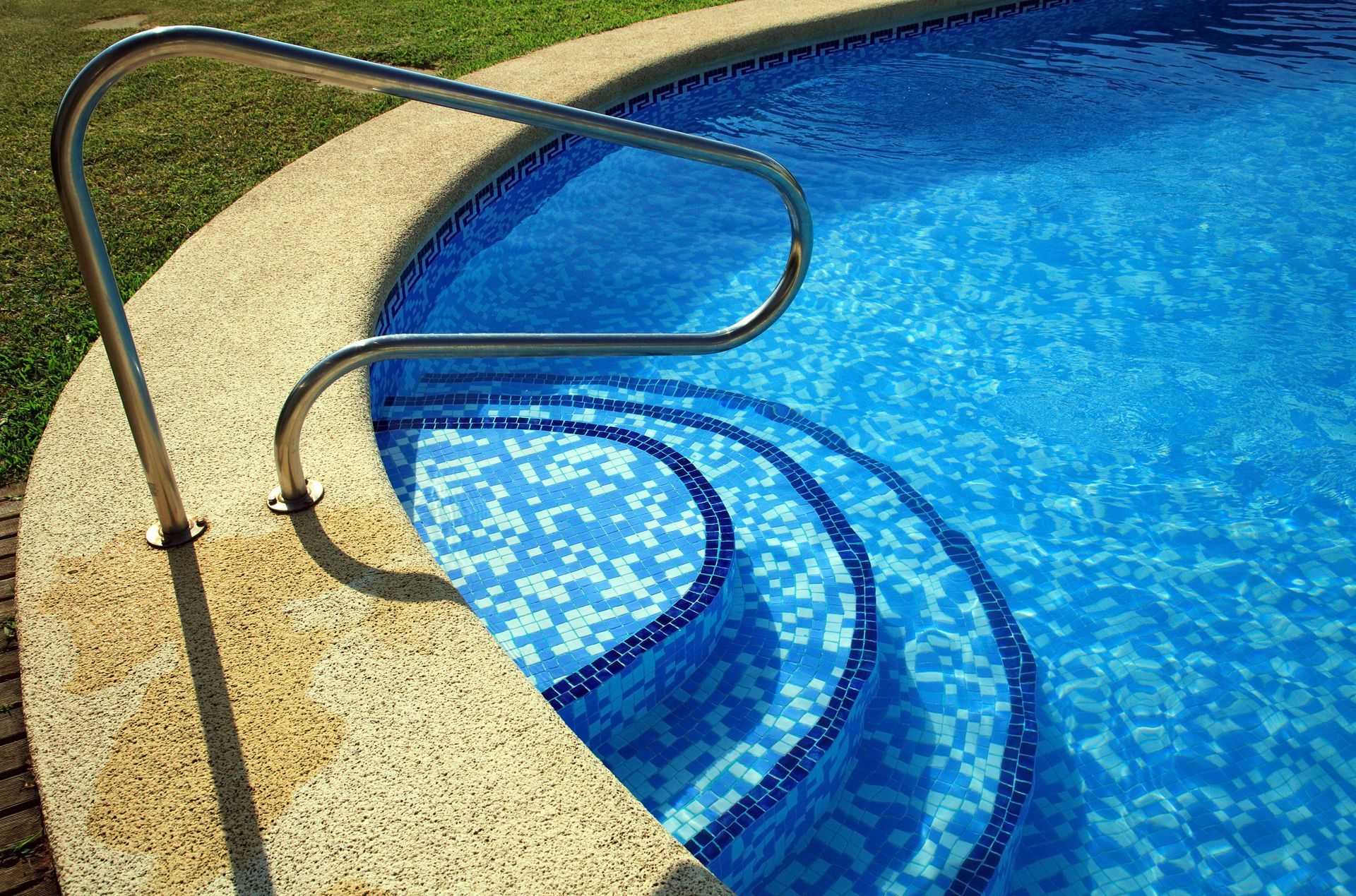
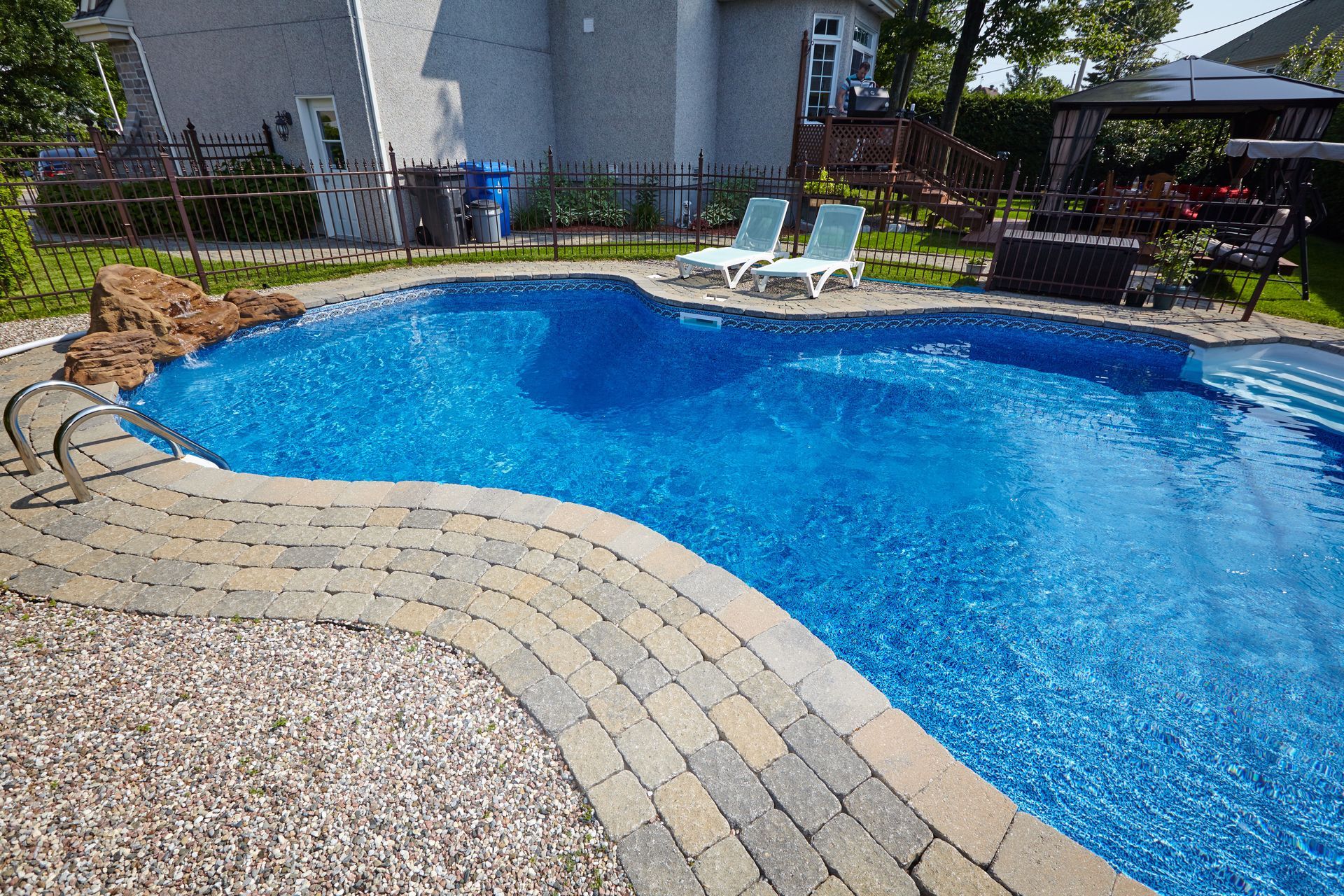
Transforming a raw concrete shell into a resort-style backyard oasis requires careful attention to mechanical systems and visual aesthetics. Technicians install high-efficiency filtration systems, energy-saving variable-speed pumps, heaters, and automated control panels that simplify chemical balancing and daily maintenance. Modern smart automation allows you to manage water temperature, colored lighting, and cleaning schedules right from your smartphone. Having reliable equipment ensures your pool water remains crystal clear and inviting with minimal daily effort on your part. Investing in high-quality mechanical components reduces the likelihood of breakdowns and lowers your monthly utility bills, making your inground swimming pool more eco-friendly and cost-effective. At the same time, crews elevate the visual appeal of your inground swimming pool with durable interior finishes like plaster, quartz, pebble, or glass tile. Surrounding the water, slip-resistant decking made from natural stone, travertine pavers, or textured concrete creates a safe, cool, and inviting lounge area. Custom additions such as cascading waterfalls, sheer descents, LED lighting, and thoughtful native landscaping tie the entire space together into a private sanctuary. Choosing the right aesthetic touches seamlessly blends the new structure with your home's existing architecture, creating a cohesive and stunning outdoor environment.
Implement Safety and Compliance Measures
Before filling the basin and diving in, you must satisfy all local safety regulations and barrier requirements. Most jurisdictions require sturdy perimeter fencing with self-closing, self-latching gates that swing outward to prevent unauthorized access by young children or pets. Adding manual or automatic safety covers, door alarms, and anti-entrapment drain covers provides vital layers of protection while keeping leaves and debris out of the water when the area is not in use. Prioritizing safety over everything else ensures that your backyard remains a secure environment for friends, family, and neighbors. Protecting human life is the highest priority when owning an inground swimming pool. A final municipal inspection verifies that all barriers, alarms, bonding, and electrical components meet strict safety standards. Once approved and filled, your builder will balance the water chemistry and walk you through equipment operation and routine maintenance schedules. Educating family members and guests on basic water safety rules ensures everyone can enjoy the new aquatic space responsibly. Establishing a strict set of rules for usage, such as requiring adult supervision at all times, will give you peace of mind whenever the backyard is being used.
Completing an inground swimming pool project is a rewarding milestone that adds lasting beauty, wellness, and functionality to your home. According to RubyHome, 8% of homes in the United States have a swimming pool, making your new addition a standout feature that boosts both lifestyle appeal and property value. By understanding each phase—from initial design and permitting to final safety inspections—you can approach the build with confidence and peace of mind. While the construction process requires patience and collaboration, the final result is a breathtaking personal retreat that you can enjoy every single day. The memories you create lounging by the water, hosting summer barbecues, and teaching loved ones to swim will make the entire endeavor deeply worthwhile. Your backyard will quickly become the favorite gathering place for friends and relatives alike. Ready to transform your backyard into an extraordinary oasis? Contact Aquatic Architechs today for a free design consultation and estimate to start building your dream pool!